CLAWBACK / Guides / Is Depop safe for sellers?
Is Depop Safe for Sellers? Scams, Returns & Protection
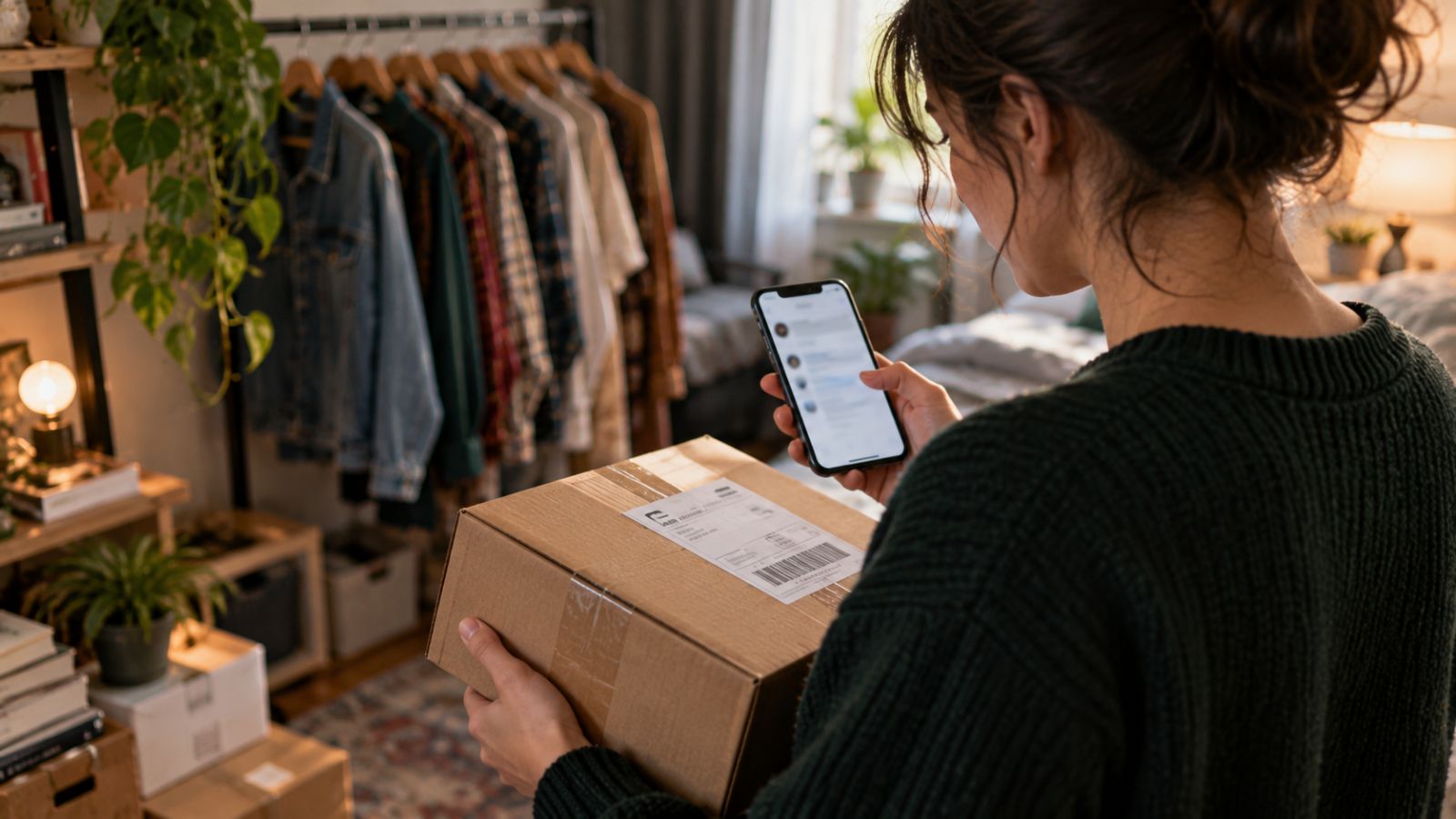
Selling on Depop can be a good way to turn clothes you no longer wear into money or build a resale business. But a sale can become stressful when a buyer reports damage, a parcel goes missing, a payment message looks suspicious, or a refund leaves you wondering what happened to your money.
The difficult part is that these situations are not all the same. A fake payment message is a security risk. A parcel lost in transit is a shipping problem. A buyer claiming that an item arrived damaged is a dispute that may require evidence and a decision from Depop.
So, is Depop safe for sellers? It can be, provided you understand the rules, keep a record of your transactions, and know what to do when something goes wrong. Depop offers seller protection for eligible transactions, but it does not guarantee that every dispute will be decided in your favor or that every financial loss will be covered.
This guide focuses on what US sellers can actually do: how to reduce the risk before shipping, how to respond to a dispute, what Depop's seller protection covers, and what to check if a sale goes wrong.
1. What makes selling on Depop risky?
The biggest risks are not limited to obvious scams. Sometimes the problem starts with an ordinary sale. Here are four situations worth understanding before your next order.
| Situation | Why it matters | Your first step |
|---|---|---|
| A buyer sends a suspicious payment message or link | You could expose your account details or be tricked into believing you have been paid | Check the order and payment status inside Depop; do not trust a screenshot or email alone |
| A buyer says the item arrived damaged | You may need to explain the item's original condition and provide evidence | Preserve your listing photos, messages, shipping records, and any other relevant evidence |
| A parcel is lost or damaged in transit | Protection may depend on the shipping method and other eligibility conditions | Keep tracking information and check whether the transaction meets Depop's seller-protection rules |
| A refund or dispute affects your proceeds | The refund, fee reversals, shipping costs, and condition of a returned item are separate issues | Review the transaction and refund records before calculating your remaining loss |
2. How to recognize scams aimed at Depop sellers
You do not have to assume every buyer is suspicious. Instead, learn to recognize requests that take you away from the normal transaction process.
Scam 1: A buyer says they paid, but the payment is not showing
A buyer may send a screenshot, an email, or a message claiming that payment is complete. They may then ask you to ship immediately or follow a link to receive the money.
What to do:
- Open Depop directly through the app or by typing the website address yourself.
- Check whether the order actually appears in your sold items and whether the payment is reflected in your account.
- Do not ship solely because someone sent you a screenshot or an email.
- Do not follow an unfamiliar link to supposedly release your payment.
- If the order or message looks suspicious, report it through Depop's official channels.
A screenshot can be fabricated. A message that looks official can also be misleading. Verify the transaction independently before taking action.
Scam 2: A buyer asks you to accept payment outside Depop
A buyer might offer to pay by a direct bank transfer, Venmo, or another method outside the platform. They may say it is faster or easier. That convenience can come at a cost. Depop's Terms of Service require purchases on the platform to be paid through its permitted payment methods. Out-of-app payments are prohibited and can result in account suspension or termination.
For US sellers, there is another important consequence: a transaction made outside the Depop BUY button does not qualify for Depop seller protection under the supplied protection policy.
Keep the purchase and payment within the permitted Depop checkout process. Do not accept an alternative payment arrangement simply because the buyer pressures you.
Scam 3: A buyer sends a link or asks for sensitive information
A message may ask you to confirm your account, provide banking information, share a verification code, or enter your login details on another website. Treat unexpected requests for sensitive information as a warning sign.
Do not enter your login details through a link in an unsolicited message, and do not share verification codes. Open Depop directly and check for any genuine account notification. If you already entered your details, secure your account immediately and contact Depop through its Help Centre.
Scam 4: Someone asks you to change the shipping address
A buyer might message you after purchasing and ask you to send the item to a different address. For a US seller relying on Depop Protection, this is particularly important. The supplied policy requires the item to be sent to the buyer's address shown on the sales receipt. Sending it somewhere else—even at the buyer's request—can make the transaction ineligible for protection.
Pause, check Depop's current instructions, and resolve the issue through the official process before shipping.
3. Before you ship: the seller's evidence checklist
This is one of the most useful habits you can develop as a reseller. If a buyer later says an item was damaged, different from the listing, or never received, you will want a clear record of the original transaction.
Step 1: Photograph the item's actual condition
Take clear photographs of the item before packing it. Include the front, back, relevant labels, and any areas where wear or damage might be disputed. For clothing, photograph visible stains, holes, loose seams, fading, or other defects. These photographs can help you explain what the item looked like before shipping.
Step 2: Make the listing description specific
Depop's Terms of Service make sellers responsible for ensuring that items match their descriptions. Instead of writing only "great condition," explain relevant details:
- "Pre-owned with light fading near the cuffs."
- "Small mark on the inside lining, shown in the final photograph."
- "One loose stitch near the hem; no other visible damage."
Step 3: Keep the packing and shipping records
Keep the order receipt, the buyer's shipping address, the shipping label or carrier receipt, the tracking number, and any relevant photographs of the packed item. For higher-value items, a simple packing record can be particularly helpful.
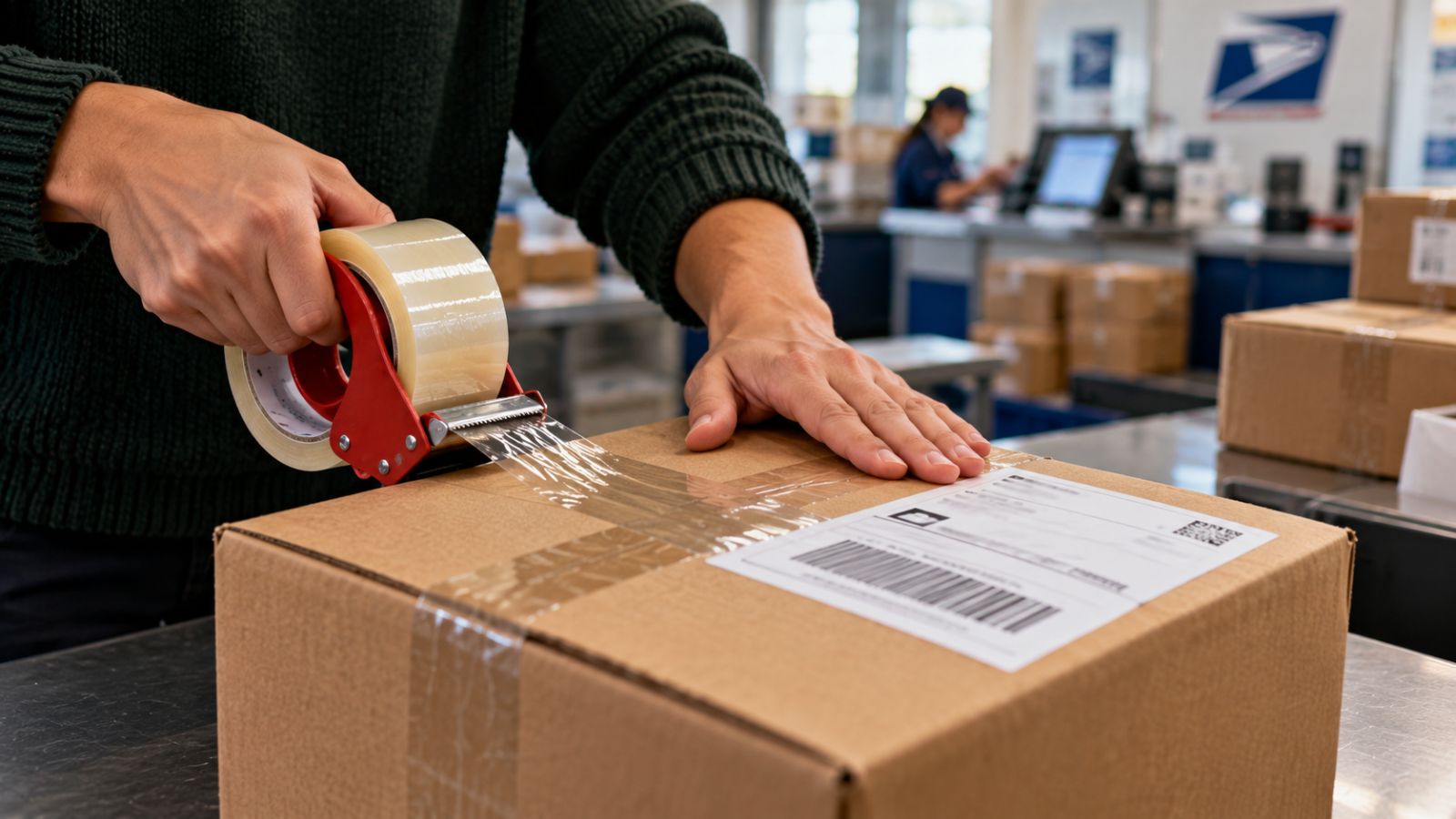
Step 4: Use the correct shipping method
If you select Depop Shipping in the US, use the label generated through Depop. The supplied seller-protection policy states that using another shipping method instead can make the transaction ineligible for protection. The policy also requires eligible items to be shipped within five days of the transaction date.
4. A buyer opened a dispute. What should you do first?
Receiving a dispute notification can feel alarming. Try not to respond in anger or make assumptions about the buyer's intentions. Instead, work through the following steps.
Step 1: Identify what the dispute is actually about
Is the buyer saying the parcel never arrived? Are they reporting damage? Do they believe the item was significantly different from the listing? These are different problems, and the appropriate process may differ.
Step 2: Save the relevant evidence
Gather the evidence related to the specific claim. For a damage claim, that might include the original listing photographs, condition photographs taken before shipping, packing records, and tracking information. For a missing parcel, tracking and proof of dispatch may be especially important.
Step 3: Respond through the correct official channel
Follow the instructions in the actual case notification. If Depop requests additional information, provide the relevant records within the stated timeframe. Do not ignore a notification because you believe the claim is unfair.
Step 4: Keep your response factual
Explain what you know and what your evidence shows. Avoid stating that the buyer deliberately damaged the item unless you have evidence supporting that conclusion. A calm, specific explanation is more useful than accusations.
Step 5: Keep a record of the outcome
Save the case correspondence and any decision or refund confirmation. If you disagree with the outcome, contact Depop through its Help Centre and ask what review or complaint options are available.
5. What if a buyer says the item arrived damaged?
Imagine you sell a secondhand sweater. You photograph it, describe its condition, pack it, and ship it. A few days after delivery, the buyer says there is a large hole in the front. You remember the sweater being in good condition when it left you.
First, compare the evidence. Look at the original listing photographs and any condition photographs taken before packing. Second, organize your shipping records. Keep the tracking information and carrier receipt. Third, respond through the case process. Explain the original condition as accurately as you can and point to the relevant evidence.
Fourth, understand the limits of seller protection. The supplied Depop seller-protection policy covers qualifying items lost or damaged in transit when all eligibility conditions are met. It does not say that every disagreement over an item's condition is automatically covered. A transit-damage claim and a dispute about whether an item matched its description are not necessarily the same situation.
6. What if your parcel is lost or damaged in transit?
A lost parcel creates two separate concerns: the buyer has not received the item, and you may lose the sale proceeds or the item itself. For US sellers, Depop's supplied protection policy gives specific conditions for eligible lost-or-damaged-in-transit transactions.
To qualify, the policy says all applicable conditions must be met, including:
- The item was purchased through Depop using the BUY button.
- The item is not prohibited.
- You used a Depop Shipping label.
- You shipped within five days of the transaction date.
- The item was sent to the address shown on the sales receipt.
- The transaction value does not exceed $300, including the item price, shipping fees, and applicable taxes.
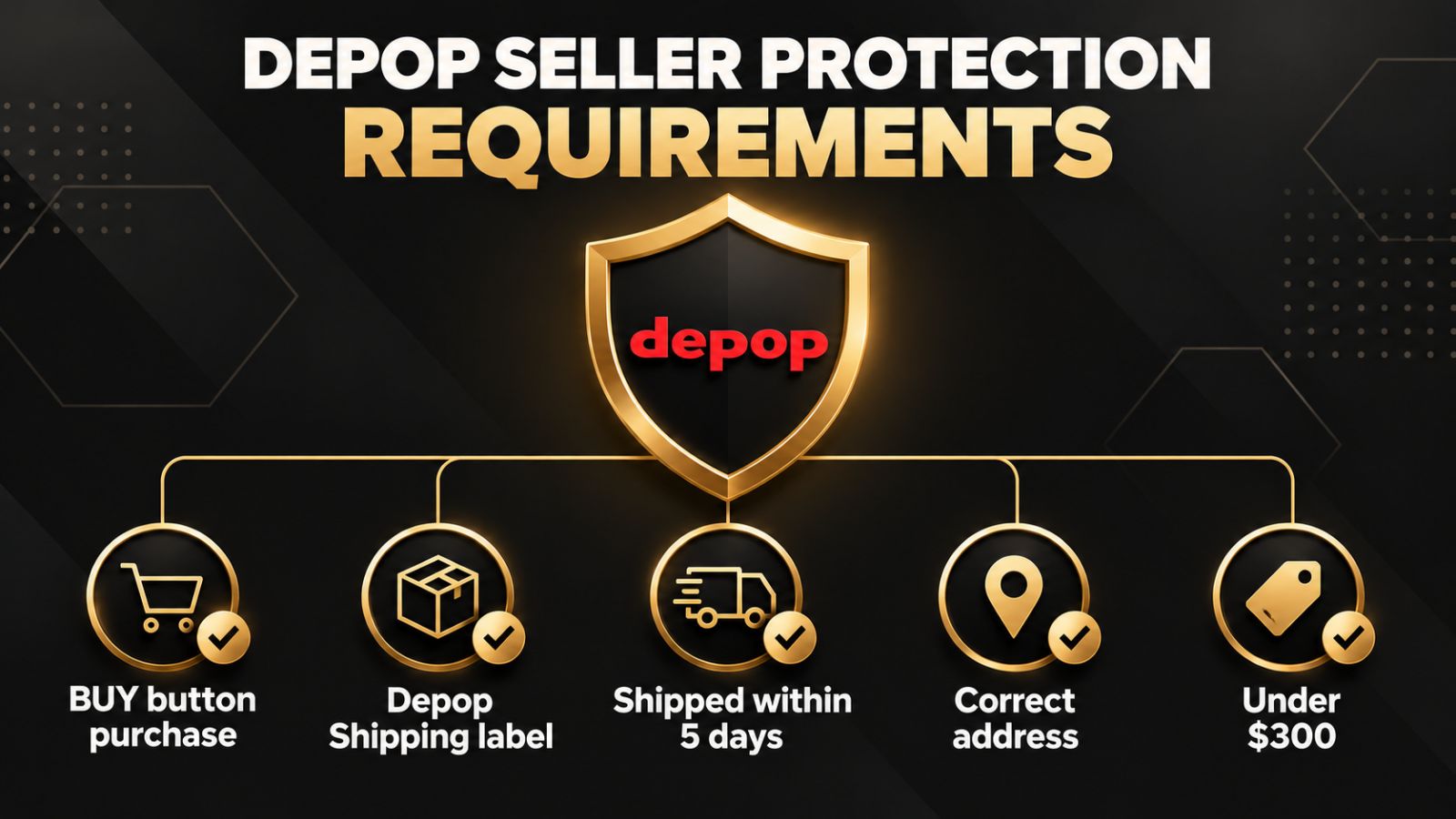
Bundle sales count as one transaction for the stated limit. The policy also says that seller protection is not insurance, a warranty, or a guarantee.
7. Does Depop protect sellers, and does it always side with buyers?
Depop offers a seller-protection programme for eligible transactions, but that does not mean sellers are protected against every possible loss. The supplied policy focuses on items lost or damaged in transit and sets requirements for the payment route, shipping label, dispatch timing, destination address, and transaction value.
This means two things for sellers. First, following the rules before shipping matters. Second, seller protection should not be treated as a promise that Depop will always reimburse you when a buyer makes a claim.
8. Can a refund still cost you money as a seller?
Yes, a refund can leave you with costs or a loss of value, depending on the transaction and what happens to the item. Consider four questions:
- Was the buyer refunded? Check the actual refund record and amount.
- Were the relevant fees reversed? Check the transaction records rather than assuming every fee was treated the same way.
- Did you pay shipping or other expenses that were not recovered? These may affect the final financial result.
- Did the returned item lose value? An item that comes back damaged or unsellable may leave you worse off even if some fees were reversed.
For the US, the supplied Depop fee policy says that if a sale is refunded, the applicable selling, payment-processing, and boosting fees are reversed. Do not count the refunded sale price, reversed fees, shipping expense, and lost item value twice. Each represents a different part of the financial outcome.
If your main question is no longer just whether Depop is safe, but how much a failed sale actually cost you, use the relevant CLAWBACK return-loss calculator. You can also read our existing Depop fees-refunded guide for a more detailed explanation of fee reversals.
9. A practical Depop seller safety checklist
Before shipping an order, use this short checklist to build a routine that protects you if an ordinary sale becomes complicated.
- Confirm the order and payment inside Depop.
- Keep the transaction within Depop's permitted payment process.
- Photograph the item's actual condition.
- Describe relevant wear and defects accurately.
- Save the order receipt and shipping information.
- If using Depop Shipping, use the label generated through Depop.
- Ship within the applicable timeframe (5 days for protection).
- Send the item to the address shown on the receipt.
- Keep tracking and proof of dispatch.
- Never share login details or verification codes with a buyer.
- Read dispute notifications and respond within the stated timeframe.
- Keep copies of the case correspondence and refund records.
Frequently asked questions
Is Depop safe for sellers in the USA?
Depop provides payment and dispute processes and offers seller protection for eligible transactions. However, protection has conditions and exclusions. US sellers should understand the shipping requirements, use the correct label when relying on Depop Shipping, and keep evidence of their transactions.
Can a Depop seller get scammed by a buyer?
Yes. Sellers can encounter fake payment messages, phishing attempts, suspicious requests to move transactions outside the platform, and other deceptive behavior. Verify payment directly through Depop and avoid sharing sensitive information or following unfamiliar links.
Does Depop seller protection cover every refund or dispute?
No. The supplied seller-protection policy focuses on eligible items lost or damaged in transit and sets specific conditions. It should not be interpreted as a guarantee that every buyer dispute, return, or refund will be covered.
What should I do if a buyer says my item arrived damaged?
Preserve the original listing photographs, condition records, packing evidence, tracking information, and relevant messages. Respond through the official case process, explain what your evidence shows, and avoid making accusations that you cannot substantiate.
What if a buyer says the package never arrived?
Save the tracking information and proof of dispatch, then follow Depop's current instructions for the transaction. If you are relying on seller protection, verify that the shipping method, dispatch timing, address, and transaction value meet the eligibility requirements.
Can I accept payment outside Depop?
Depop's Terms of Service prohibit out-of-app payments for purchases made through the platform. These transactions can also fall outside seller-protection eligibility and may put your account at risk.
What should I do if Depop decides a dispute against me?
Keep the decision and all supporting records. Contact Depop through its Help Centre to ask what review or complaint options are available for your case. Follow the instructions and deadlines provided, and do not assume that a reversal is guaranteed.
Can a seller lose money after refunding a buyer?
Yes. The final result can depend on fee reversals, shipping expenses, whether the item is returned, and whether the item has lost value. Check the transaction records and separate each cost before estimating the remaining loss.
Final thoughts
Selling on Depop does involve risk, but you do not have to approach every order expecting a problem. The best protection you can give yourself is a repeatable process: describe items honestly, document their condition, ship according to the applicable rules, keep your records, and respond promptly when an issue arises.
And when a sale does go wrong, separate the questions. What happened to the item? Which official process applies? What evidence do you have? What money was refunded or reversed? What costs or loss of value remain? Answering those questions one by one gives you a clearer picture of what happened and what to do next.
Disclaimer
CLAWBACK is an independent resource created to help resellers understand marketplace policies, selling costs, and seller-related problems. CLAWBACK is not affiliated with, endorsed by, or sponsored by Depop. Depop is a separate company, and its name and trademarks belong to their respective owners.
Official Depop sources
- Depop Terms of Service
- Depop Protection for Sellers
- How to Ship in the US
- Depop Seller Fees and Charges
Policy note: Depop's rules can change. Check the current official policy and the instructions in your transaction before relying on any eligibility condition or deadline.
Read next: More help for Depop sellers
Cite This Page
MLA: "Is Depop Safe for Sellers? Scams, Returns & Protection." CLAWBACK, Oct. 2026, www.gotclawback.com/depop-safe-for-sellers.html.
APA: CLAWBACK. (2026, October). Is Depop Safe for Sellers? Scams, Returns & Protection. https://www.gotclawback.com/depop-safe-for-sellers.html